

Cruising Information & Harbor Resources

Major ports
Colombo Port & Port City - Galle Harbor - Trincomalee Harbor
Marina contact info
Harbor entry notes
Customs/immigration
Anchorages
protection from swell
holding quality
nearby fuel/water
dinghy landing
safety notes
best season
Bolgoda Lake
Mirissa
Galle
Trincomalee
Passikudah
Sri Lanka Navy / Coast Guard
emergency numbers
official websites
radio/contact procedures if known
safety guidance
Emergency / Marine Services
boat repair
fiberglass work
mechanics
fuel docks
haul out facilities
chandlery sources
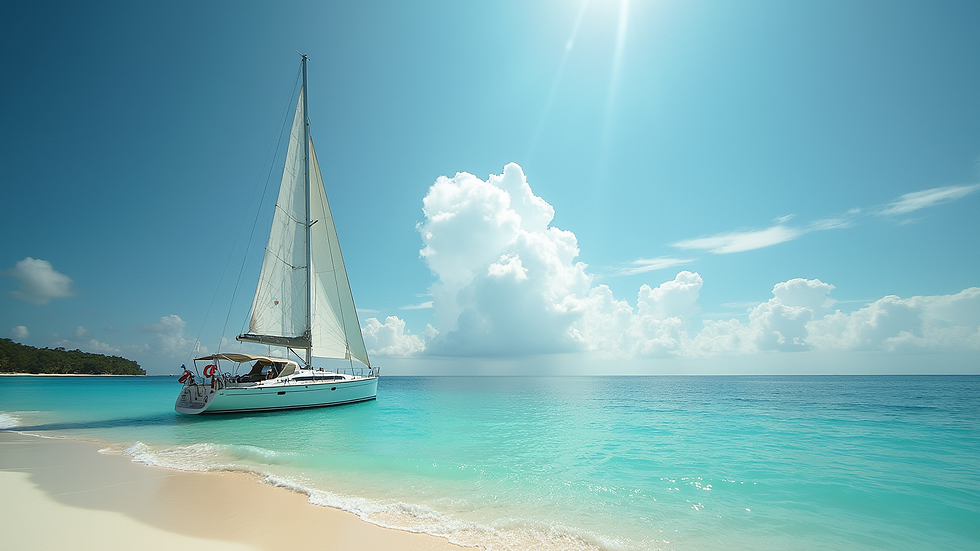
Sailing in Sri Lanka offers a unique blend of adventure, tranquility, and breathtaking scenery. With its stunning coastline, rich marine life, and vibrant culture, this island nation is a sailor's paradise. Whether you are a seasoned sailor or a novice looking to explore the waters, there are essential tips to ensure a safe and enjoyable experience. This guide will cover everything from the best sailing routes to safety precautions, helping you make the most of your sailing adventure in Sri Lanka.
Understanding the Best Time to Sail
The best time to sail in Sri Lanka largely depends on the monsoon seasons. The country experiences two main monsoon seasons:
Southwest Monsoon (May to September): This season affects the southwestern coast, including popular sailing destinations like Galle and Colombo. Expect heavy rains and strong winds during this period.
Northeast Monsoon (December to March): This is the ideal time for sailing, especially along the eastern coast. The weather is generally calm, with clear skies and gentle winds, making it perfect for both experienced sailors and beginners.
Recommended Sailing Routes
Colombo to Galle: This route is popular for its stunning coastal views and historical landmarks. Galle, with its UNESCO World Heritage Site fort, offers a glimpse into Sri Lanka's colonial past.
Trincomalee to Batticaloa: This eastern route is known for its pristine beaches and vibrant marine life. Trincomalee is famous for its natural harbor and beautiful coral reefs, while Batticaloa offers serene lagoons.
Kalpitiya Peninsula: Located on the northwest coast, Kalpitiya is a hidden gem for sailors. The area is known for its flat waters and consistent winds, making it ideal for both sailing and kite surfing.
Preparing for Your Sailing Trip
Before setting sail, proper preparation is crucial. Here are some tips to ensure a smooth journey:
Check Your Equipment
Sailing Gear: Ensure that your sails, rigging, and other equipment are in good condition. Regular maintenance can prevent issues while at sea.
Safety Gear: Always have life jackets, flares, and a first aid kit on board. Familiarize yourself with their locations and usage.
Plan Your Itinerary
Research Destinations: Look into the ports and anchorages along your route. Some popular spots include Unawatuna, Mirissa, and Nilaveli. Each location offers unique experiences, from snorkeling to exploring local markets.
Weather Forecast: Check the weather forecast regularly. Sudden changes in weather can impact your sailing plans, so stay informed.
Navigating Sri Lanka's Waters
Understanding the local waters is essential for a safe sailing experience. Here are some navigation tips:
Familiarize Yourself with Local Charts
Marine Charts: Obtain updated marine charts of the areas you plan to sail. These charts provide crucial information about water depths, hazards, and navigation aids.
GPS and Navigation Apps: Utilize GPS devices and navigation apps to assist with route planning and real-time tracking. This technology can enhance your safety and efficiency.
Be Aware of Local Currents and Tides
Tidal Patterns: Understanding the tidal patterns in Sri Lanka can help you plan your sailing times. Some areas may have strong currents, especially during high tide.
Local Knowledge: Engage with local sailors or hire a guide who knows the waters well. Their insights can be invaluable, especially for navigating tricky areas.
Safety Precautions While Sailing
Safety should always be your top priority when sailing. Here are some essential precautions:
Always Wear Life Jackets
Mandatory for All: Ensure that everyone on board wears a life jacket, especially when sailing in rough waters or during adverse weather conditions.
Keep Communication Devices Handy
VHF Radio: Carry a VHF radio for communication with other vessels and coast guard services. This device can be a lifesaver in emergencies.
Mobile Phones: While sailing, keep your mobile phone charged and accessible. Consider using waterproof cases to protect your devices.
Know Emergency Procedures
Emergency Contacts: Have a list of emergency contacts, including local coast guard numbers and nearby hospitals.
Man Overboard Procedures: Familiarize yourself with man overboard procedures and ensure all crew members know what to do in case of an emergency.
Exploring Sri Lanka's Marine Life
One of the highlights of sailing in Sri Lanka is the opportunity to explore its rich marine life. Here are some activities to consider:
Snorkeling and Diving
Coral Reefs: Sri Lanka is home to beautiful coral reefs teeming with colorful fish. Popular snorkeling spots include Hikkaduwa and Pigeon Island.
Diving Sites: For those interested in diving, explore sites like the wreck of the HMS Hermes or the underwater caves near Trincomalee.
Whale Watching
Seasonal Opportunities: Sri Lanka is one of the best places in the world to see blue whales and sperm whales. The best time for whale watching is from November to April, particularly off the coast of Mirissa.
Cultural Etiquette While Sailing
Sailing in Sri Lanka also means interacting with its diverse culture. Here are some tips to ensure respectful engagement:
Respect Local Customs
Dress Modestly: When visiting coastal villages or towns, dress modestly, especially when visiting religious sites.
Ask Before Taking Photos: Always ask for permission before taking photos of people or their property. This shows respect for their privacy.
Engage with Local Communities
Support Local Businesses: Purchase supplies from local markets and support local fishermen. This helps the community and enriches your sailing experience.
Learn Basic Sinhala Phrases: Knowing a few words in Sinhala can go a long way in building rapport with locals. Simple greetings and expressions of thanks are appreciated.
Conclusion
Sailing in Sri Lanka is an unforgettable experience filled with adventure, beauty, and cultural richness. By following these essential tips, you can ensure a safe and enjoyable journey on the waters of this stunning island. Whether you are exploring hidden coves, engaging with local communities, or simply soaking in the sun, your sailing adventure in Sri Lanka will be one for the books. So, prepare your gear, chart your course, and set sail for an incredible journey in this tropical paradise.


Comments